Travel
Easter Feasting in Abruzzo

In Italy, any occasion is a good excuse to talk about food, plan a feast or simply think about food…
I think that here even a delicious custard-filled pastry could distract a man from a beautiful woman!
But jokes aside, let me tell you what happened.
It is Saturday, and Easter is still a whole week away.
Someone from home might say, “A whole week? There is plenty of time!”
An Italian would say, “You are mistaken. You are already late!”
Especially in smaller Italian towns, where the older generation is a strong presence, food is the centre of attention and feeding someone is practically a civic duty.
Following tradition, I started the morning at the Saturday market and the little local shops. In one shop, surrounded by cheeses, prosciutto, cured meats, sausages and other temptations, I joined a queue. The older lady in front of me immediately caught my attention. She was quietly reading out her Easter shopping list like a prayer while the shopkeeper listened and wrote, asking every so often, “Which day for the ricotta? Which day for the meat?”
What did you expect?
The ricotta pies and many other Easter dishes would be prepared from the beginning of the week.
As she recited her list, I remembered the traditional cheese fiadoni I had planned to make. I interrupted her—I know!—and asked the shopkeeper about Righetto, a local cheese traditionally used for these pastries with a little Parmesan and pecorino. The lady smiled and immediately recited the entire ingredient list for me.
“Yes, yes,” the shopkeeper said, “but it comes in on Monday. Shall I put you on the list? There is already a queue for it!” She glanced at a large board covered with names and orders: kilos of fresh ricotta, cold cuts, cheeses and so on. At that point I began to worry. I called our friends who make goat cheese and ricotta. Virginia, the cheesemaker, answered straight away: “Ksenija! Where have you been? Almost all the ricotta is already ordered, but I will try to put some aside for you.”
Earlier? Seriously? Is there going to be a worldwide famine after Easter?
But this is perfectly normal here. After twenty years living alongside Italians, I still have not quite got used to it. Every holiday goes this way.
In October the counters fill with panettone and pandoro. Before you have finished celebrating Christmas, they are overflowing with Epiphany sweets, and immediately afterwards come Carnival doughnuts and fried pastries, with icing sugar falling like rain. Then Father’s Day brings its traditional pastries and—BAM—Easter! Next is summer, supposedly a lighter season, but not for long: by August people are already thinking about autumn and celebrating Ferragosto in style. Most of these are Catholic holidays, but those are details.
How is this possible? Simple: in Italy, family feasts that leave you practically unconscious are everything. I think food is one of the pillars of Italian family life. Gathering around a large Sunday or holiday table is a powerful reason to bring everyone together, and many family memories are made there.
If you have ever taken part in a family gathering in an Italian home, you have probably noticed that after a lunch lasting at least three hours, everyone gradually begins to drift into a doze.
A festive Italian meal has a particular narcotic effect on people!
Every region is proud of its own cooking, of course, but the goal seems to be the same everywhere: FEED EVERYONE UNTIL THEY CAN HARDLY MOVE.

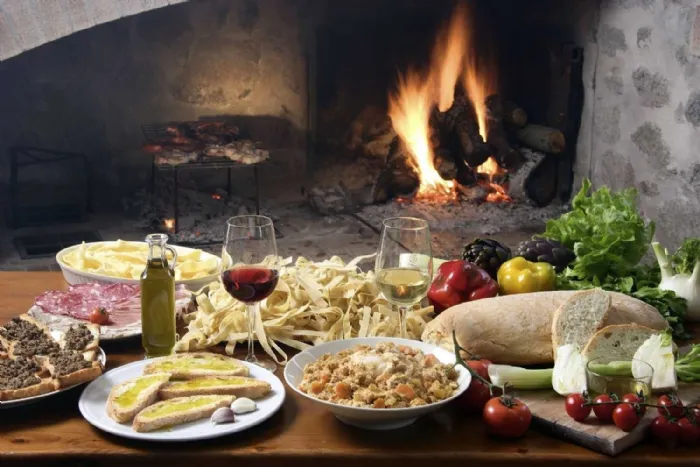


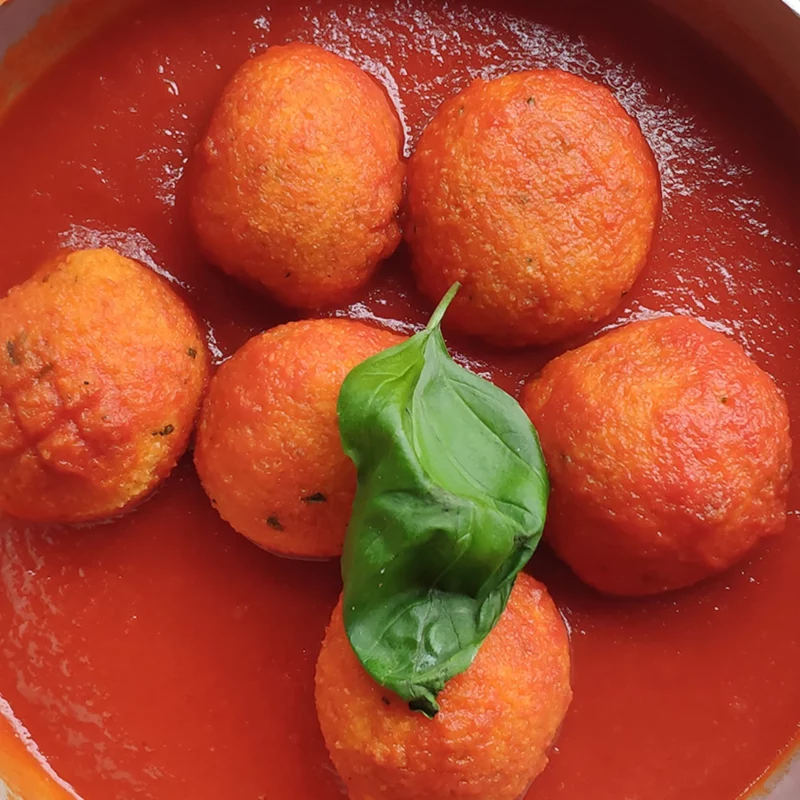


So what will be on the tables in our region, Abruzzo?
Hot and cold starters: sliced cheeses, fresh ricotta, meat sausages or liver sausages—more likely both—warm pieces of lamb liver in a spicy tomato sauce, and a mix of fried and baked vegetables. There is also pizza with cracklings, savoury bread with eggs, cheese and bacon, and traditional pastries made with local cheese.
First course:
Fresh homemade pasta with ragù, homemade ravioli, timballi and lasagne…
Main course:
Lamb, grilled, roasted or fried, and arrosticini…
And for dessert:
Ricotta pies, colomba, traditional biscuits and sweet cheese fiadoni. I am planning to make Neapolitan pastiera and Veneziana brioche.
It usually ends with fruit, strong drinks said to help digest everything that has been eaten and, FINALLY, coffee! The coffee is often taken without sugar—as though that could somehow make up for the rest of the meal.
I will share my own preparations with you soon!


Around the table