
Ingredients
Baccalà: What Is Salt Cod?
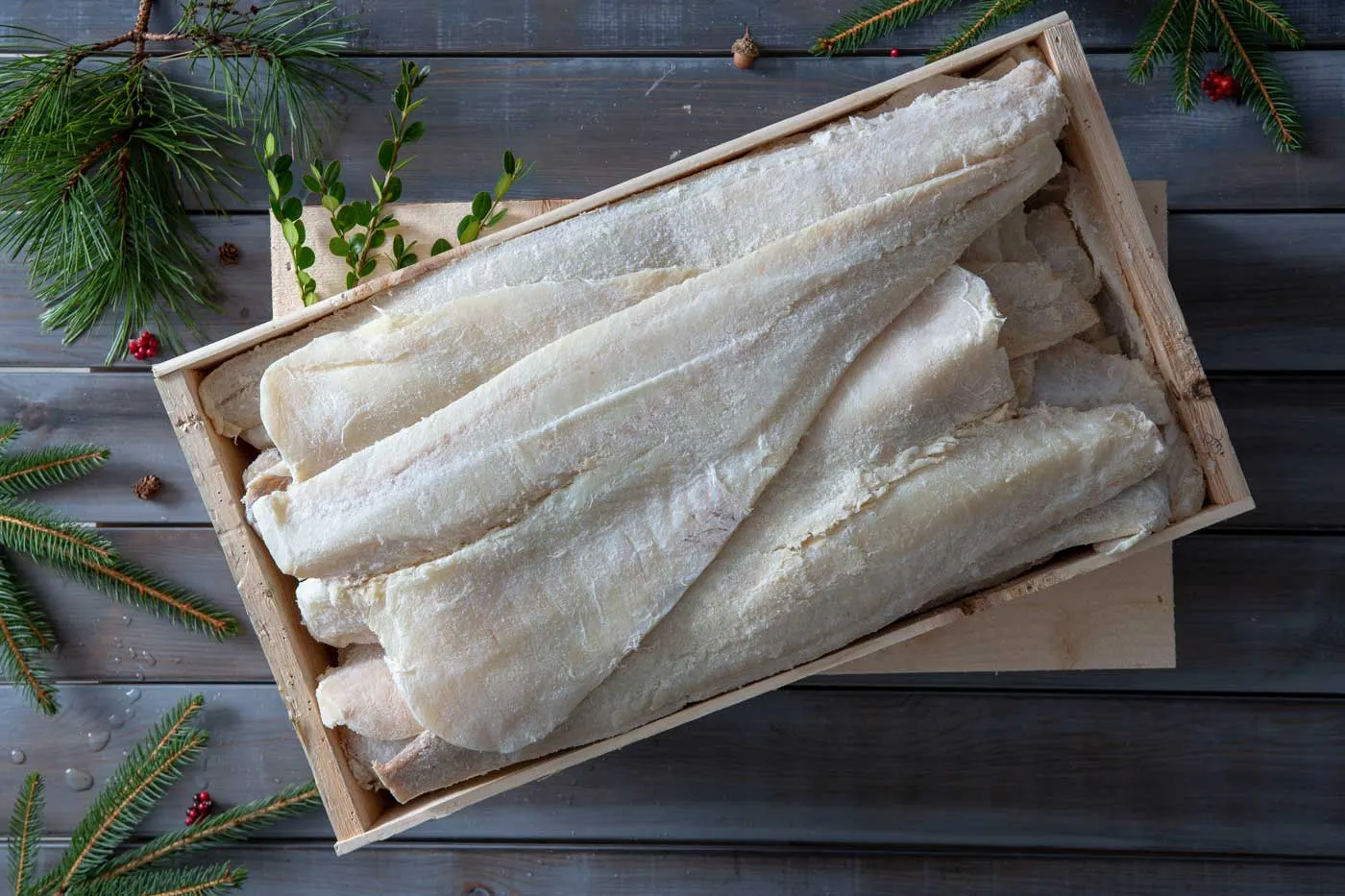
The original article traces the preparation of salt cod to Basque fishing communities in the Renaissance, before it became established in Italy. It describes baccalà reaching the Americas in the 1600s.
There, salt cod was exchanged for commodities such as sugar and molasses, and it also became part of the food supplied to enslaved people in the colonial economy.
But let us go back to the beginning of the story.
The account describes Basque whalers turning to cod during a period when humpback whales were scarce. The fish and the method of preserving it spread through European ports, including among Spanish and Portuguese fishers, and became a thriving trade.
But enough history for now!
The fish we are talking about is cod.
Cod can be caught in nets or on long lines carrying hundreds of hooks. Processing starts soon after the catch: the fish is cleaned and drained carefully, because remaining blood can affect the flesh. Once ashore, it is opened and the backbone removed. The fish is then packed in alternating layers with salt and cured for around three weeks, according to the process described in the original article.
Every stage of handling influences the quality of the final product.
Note: air-dried fish and baccalà are different products; the distinction lies in how they are preserved.
Baccalà is very popular in Italy, and the variety of recipes may surprise you. It is used to stuff vegetables, cooked in tomato sauce, minced in some preparations, or added to pasta, pies and much more. If preparing fish to be eaten raw, follow appropriate food-safety guidance.
Baccalà is often sold packed in salt, although you can also buy it already soaked.
If you buy the salted version, the author recommends soaking it in water for 24–48 hours in the refrigerator, changing the water every 12 hours. Drain and gently squeeze it before cooking. One popular Italian preparation is baccalà battered and fried—something I hope to make for my family soon.


Around the table